Quick answer
Black mold on bedroom walls usually grows where moist air meets a cold surface: exterior wall corners, behind a bed or dresser pushed against an outside wall, and around windows. The color doesn’t change what you do: the CDC says all molds should be treated the same and does not recommend testing. Clean small areas from hard surfaces with soap and water or a diluted bleach solution, dry them, then fix the cause by lowering humidity, improving air flow and keeping the room evenly warm. For areas larger than about 10 square feet, or after water damage, the EPA suggests more care and possibly a professional.
Is “black mold” worse than other mold?
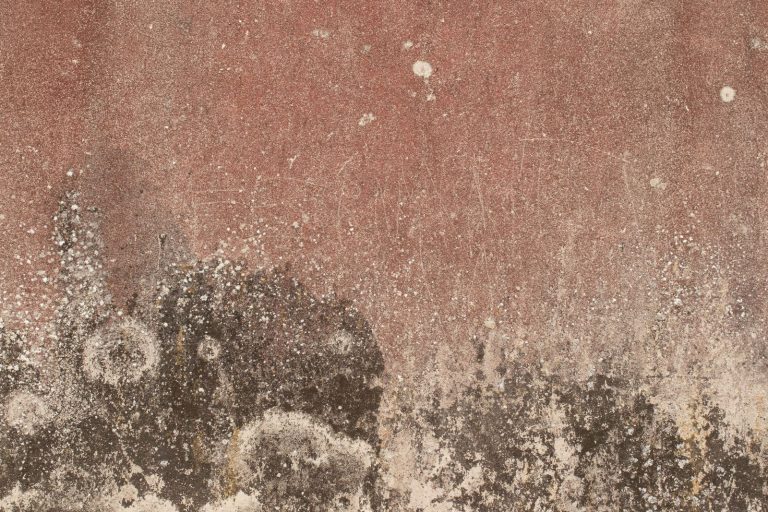
“Black mold” is usually used to mean Stachybotrys chartarum, which the CDC describes as a greenish-black mold that can grow on high-cellulose materials such as gypsum board, fiberboard and paper. But many common household molds are dark, and you can’t tell the species from the color. The EPA notes that molds come in many colors.
The practical answer from the CDC is clear: all molds should be treated the same with respect to potential health risks and removal. The CDC does not recommend mold testing, and says that no matter what type of mold is present, you need to remove it. So skip the test kit; spend the effort on cleanup and on the moisture problem.
Why mold grows on bedroom walls
Bedrooms combine three things mold likes. People release moisture while they sleep; doors are often closed at night; and many bedrooms are kept cooler than the rest of the house. Moist air then condenses on the coldest surfaces. The EPA lists the surface of walls behind furniture, where condensation forms, among the typical places for hidden mold.
| Where you find it | Likely cause | First fix |
|---|---|---|
| Upper corners of exterior walls | Cold spot where walls meet the ceiling (thin or missing insulation) | Lower humidity; check insulation in the attic above |
| Behind the headboard, dresser or closet on an exterior wall | No air movement, so that patch of wall stays cold and damp | Pull furniture a few inches from the wall |
| Around the window and on the sill | Condensation running off the glass | Lower humidity, wipe condensation, let air reach the glass |
| Low on the wall, near the floor | Leak, plumbing or water from outside | Find and fix the water source first |
| Spreading patch with stained or soft drywall | Ongoing leak or long-term water damage | Repair the leak; consider a professional |
Before cleaning: size up the problem
The EPA says that if the moldy area is less than about 10 square feet (roughly a 3 ft by 3 ft patch), in most cases you can handle the job yourself. It advises more caution if there has been a lot of water damage or the mold covers more than that.
Worked example: is it under 10 square feet?
Assumed situation: mold in two corners of a bedroom. Corner A is a patch about 18 by 24 inches; corner B is about 12 by 30 inches.
- Corner A: 18 × 24 = 432 sq in ÷ 144 = 3.0 sq ft.
- Corner B: 12 × 30 = 360 sq in ÷ 144 = 2.5 sq ft.
- Total: 5.5 sq ft, under the EPA’s roughly 10 sq ft guide, so a careful DIY cleanup is reasonable, provided there’s no hidden water damage.
Illustrative example with assumed measurements. 144 square inches = 1 square foot.
How to clean small areas of mold on walls
- Protect yourself. The EPA suggests gloves, goggles without ventilation holes and an N-95 respirator to limit exposure to spores.
- Ventilate. Open the window and run a fan blowing out if you can.
- Clean the surface. The CDC says mold can be removed from hard surfaces with household products, soap and water, or a bleach solution of no more than 1 cup of household laundry bleach per gallon of water. The EPA’s standard advice is to scrub with detergent and water and does not recommend biocides such as bleach as a routine practice.
- Dry completely. Wipe off moisture and let the wall dry fully.
- Deal with porous materials. The EPA notes that absorbent materials such as ceiling tiles and carpet may have to be thrown away if they become moldy. Moldy fabric, wallpaper or drywall paper facing can be hard to clean completely.
Never mix bleach with ammonia or other cleaners. The CDC warns that this produces a poisonous gas. And don’t paint over mold: the EPA says to clean and dry the surface first, because paint applied over mold is likely to peel.
Stop it coming back
Bedroom prevention checklist
- Measure humidity. The CDC advises keeping it as low as you can, no higher than 50%; the EPA says below 60%, ideally 30–50%.
- Move furniture off exterior walls by a few inches so air can circulate and the wall stays warmer.
- Keep air moving. The EPA suggests increasing air movement by opening doors and windows when practical and using fans.
- Don’t let the bedroom get too cold. The EPA lists raising the air temperature as a way to prevent condensation.
- Don’t dry laundry in the bedroom, and keep humidifiers low or off if windows sweat.
- Fix leaks promptly. The EPA advises drying wet materials within 24–48 hours to prevent mold growth.
Technical note: the corner where an exterior wall meets the ceiling or another exterior wall loses heat in two directions, so it’s colder than the middle of the wall. That’s why mold often starts there first, even when the rest of the room looks fine. Lowering indoor humidity lowers the dew point, which gives those cold corners more margin.
When to call a professional
- The mold covers more than about 10 square feet, or there’s been significant water damage.
- You smell mold but can’t find it: the EPA says hidden mold can be behind drywall, wallpaper or paneling, and suggests an experienced professional if you suspect it, because disturbing it can release spores.
- The wall is soft, stained from inside, or the mold keeps returning quickly despite lower humidity.
- You rent: the EPA advises reporting moisture problems to the owner or manager, and contacting local or state health or housing authorities if persistent problems aren’t addressed.
Health: the CDC notes that people with asthma or mold allergies may have severe reactions, and that immune-compromised people and people with chronic lung disease may get lung infections from mold. If anyone in the household has symptoms or is in one of those groups, talk to a doctor. This guide does not give medical advice.
Frequently asked questions
Should I test black mold to see if it’s toxic?
The CDC does not recommend mold testing and says that no test exists that proves an association between Stachybotrys chartarum and particular health symptoms. Remove it the same way as any other mold.
Can I sleep in a room with mold on the wall?
That depends on the extent and on the people involved, and it’s a health question. Clean small areas promptly and talk to a doctor if anyone has symptoms, asthma, allergies or a weakened immune system.
Why does mold keep coming back behind my bed?
The bed blocks air movement, so that patch of wall stays cold and damp. Pull it a few inches from the wall, lower the humidity and clean the area.
Is bleach or vinegar better for mold on walls?
The CDC lists soap and water, household products or a bleach solution of no more than 1 cup per gallon for hard surfaces. The EPA prefers detergent and water and doesn’t recommend biocides as routine. Whatever you use, the key is removing the mold and fixing the moisture.
Sources
- CDC. About Mold: no testing, removal from hard surfaces, bleach ratio, higher-risk groups, humidity.
- CDC. Facts About Stachybotrys chartarum.
- U.S. EPA. A Brief Guide to Mold, Moisture and Your Home: 10 sq ft, cleanup, protective equipment, hidden mold, condensation, renters.
Next step