Quick answer
They solve different problems. A dehumidifier pulls water vapor out of the air, so it’s the tool for dampness, condensation, musty basements and humidity above the EPA’s recommended range. An air purifier (air cleaner) filters particles such as dust, pollen and smoke, and some models filter gases; it doesn’t change humidity. The EPA is explicit that air cleaners will not resolve a mold and moisture problem. If your issue is damp, start with moisture control; if it’s particles, a purifier with an adequate CADR is the right tool.
What each device does
| Dehumidifier | Air purifier (portable air cleaner) | |
|---|---|---|
| Removes | Water vapor from the air | Particles (dust, pollen, smoke, some mold particles); gases only with a suitable filter |
| Changes humidity? | Yes, down to the humidistat setting | No |
| Main rating | Capacity in pints/day; efficiency as IEF (L/kWh) | Clean Air Delivery Rate (CADR), for particles only |
| Typical use | Damp basements, crawl spaces, humid rooms, laundry drying | Allergies to dust or pollen, wildfire smoke, cooking particles |
| Maintenance | Empty or drain water, clean filter | Replace filters regularly |
Pick by problem
| Your problem | Better tool | Why |
|---|---|---|
| Humidity above 60%, windows or walls sweating | Dehumidifier (plus fans, ventilation) | The problem is water vapor |
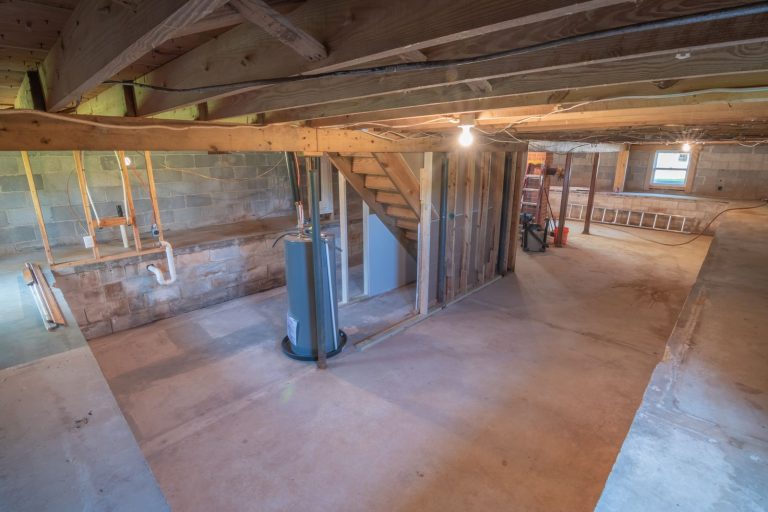
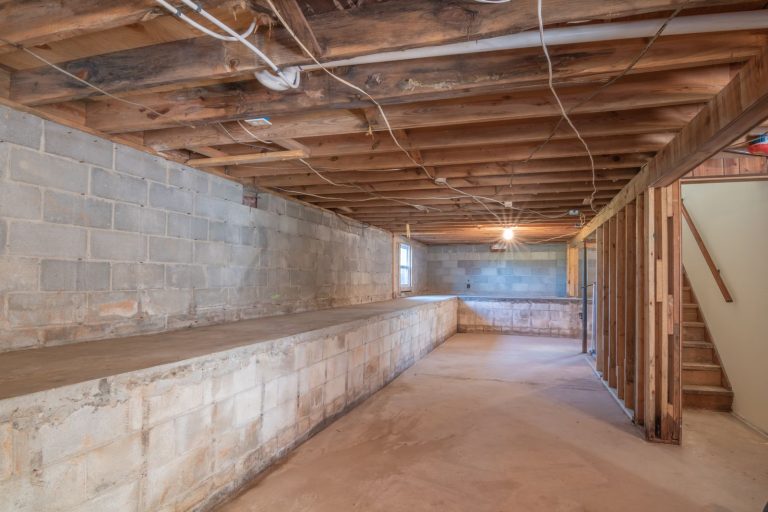
| Musty basement or crawl space | Dehumidifier, after fixing leaks | Moisture feeds mold and odors |
| Visible mold | Neither alone: fix moisture, clean mold | EPA: air cleaners won’t resolve a mold and moisture problem |
| Dust, pollen, pet dander | Air purifier | These are particles |
| Wildfire or cooking smoke | Air purifier with high CADR | Fine particles |
| Odors or chemical smells | Remove the source; purifier with activated carbon may help | Gases need a gas filter |
Why an air purifier can’t fix mold
The EPA’s Guide to Air Cleaners in the Home says it directly: to solve a mold problem, get rid of the source of the moisture and clean up the mold. Portable air cleaners and furnace or HVAC filters may remove some of the particles generated by mold, and in some cases help reduce odors, but they will not resolve a mold and moisture problem.
A dehumidifier helps with the moisture side, but it doesn’t clean up existing mold either. The EPA recommends keeping indoor humidity below 60%, ideally 30–50%, drying wet materials within 24–48 hours and cleaning small moldy areas with detergent and water.
Avoid ozone. The EPA advises avoiding portable air cleaners and HVAC filters that intentionally produce ozone, because ozone is a lung irritant. It also notes that some electronic air cleaners, such as ionizers and electrostatic precipitators, can produce ozone. Check the product specifications before buying.
Choosing the right size
Dehumidifier: ENERGY STAR sizes by dampness and area. For a space under 2,000 sq ft it suggests 20–30 pints/day if slightly to moderately damp, 25–40 if very damp and 30–50 if wet, and says it’s better to oversize than undersize.
Air purifier: the EPA advises choosing a portable air cleaner with a CADR large enough for the room. The higher the CADR, the more particles it filters and the larger the area it can serve. Most packaging states the largest room size. Higher fan speeds and longer run times filter more air. The EPA gives this rough sizing guide:
| Room area | 100 sq ft | 200 sq ft | 300 sq ft | 400 sq ft | 500 sq ft | 600 sq ft |
|---|---|---|---|---|---|---|
| Minimum CADR (cfm) | 65 | 130 | 195 | 260 | 325 | 390 |
Whole-house filtering: if you have forced-air heating or cooling, the EPA suggests a furnace or HVAC filter rated at least MERV 13, or as high as your system can accommodate; a technician can confirm what your fan and filter slot can handle. The EPA notes these filters only work while the system runs, which in most homes is less than 25% of the time during heating and cooling seasons. A central filter, like a portable purifier, does nothing for humidity.
Worked example: one budget, two problems
Assumed situation: a finished basement bedroom that smells musty and reads 70% humidity in summer; the occupant also has seasonal pollen allergies.
- 70% is above the EPA’s range, and the musty smell suggests mold growth: moisture comes first.
- Fix any water entry, then run a dehumidifier sized from ENERGY STAR’s chart with the humidistat at about 45–50%.
- Once humidity is under control and any mold is cleaned, add an air purifier with a CADR suited to the room for the pollen season, if still needed.
Illustrative example with assumed conditions. For allergy or asthma questions, talk to a doctor.
Source control and ventilation come first
The EPA says the most effective ways to improve indoor air are to reduce or remove pollutant sources and to ventilate with clean outdoor air, with filtration as a supplement. For moisture, that means running bathroom and kitchen exhaust fans, venting the dryer outdoors and fixing leaks before buying any device.
Before buying either
- Measure humidity for a week with a hygrometer.
- Look for leaks, condensation and visible mold.
- Check that exhaust fans work and vent outdoors.
- Identify the particle sources you want to reduce (smoke, pets, pollen).
- Compare running costs: dehumidifier IEF, purifier power draw and filter prices.
Combination units: some devices combine dehumidifying and air filtering. They can make sense in a single room with both problems, but compare each function separately: the dehumidifier’s capacity and IEF, and the filter’s CADR.
Frequently asked questions
Does an air purifier reduce humidity?
No. Air purifiers filter particles (and gases, with the right filter); they don’t remove water vapor. For humidity, you need ventilation, AC or a dehumidifier.
Which is better for mold?
Neither alone. The EPA says to fix the moisture source and clean up the mold; a dehumidifier helps keep humidity down afterward. Air cleaners won’t resolve a mold and moisture problem.
Which is better for allergies?
For pollen, dust and pet dander, an air purifier. If allergies are linked to damp and mold, controlling humidity matters too. Ask your doctor about medical aspects.
Will an air purifier get rid of a musty smell?
Sometimes it helps a little. The EPA says air cleaners may help reduce odors in some cases, but they won’t resolve the mold and moisture problem that usually causes a musty smell. Find and fix the damp first; the smell usually fades once the source is gone and the area has dried out.
Can I run both in the same room?
Yes. They don’t interfere with each other. Place them so neither blocks the other’s airflow.
Sources
- U.S. EPA. Guide to Air Cleaners in the Home: mold and moisture, CADR, gases, ozone.
- U.S. EPA. Air Cleaners and Air Filters in the Home: source control and ventilation first.
- ENERGY STAR. Dehumidifiers: sizing, IEF.
- U.S. EPA. A Brief Guide to Mold, Moisture and Your Home.
Next step