Quick answer
A water softener is most worth it when your water is hard or very hard (above about 120 mg/L, or 7 grains per gallon, in the USGS classification) and scale is costing you in cleaning, clogged fixtures and water heater efficiency. With moderately hard water, regular descaling is usually cheaper. Softeners have trade-offs: University of Nebraska Extension notes they add about 8 mg/L of sodium per grain of hardness removed, use salt and water to regenerate, and need maintenance. Test your water first, get independent quotes, and consider a hard-water bypass for drinking and cooking.
What a water softener does, and doesn’t do
Household softeners are ion exchange devices. University of Nebraska–Lincoln Extension explains that a resin bed swaps the calcium and magnesium that make water hard for another ion, usually sodium from salt brine. When the resin is full, the unit regenerates by flushing it with brine.
| Removes | Does not remove |
|---|---|
| Nearly all calcium and magnesium (hardness) | Bacteria |
| Some iron and manganese (as much as 5–10 mg/L, depending on the unit’s rating) | Lead, nitrate, pesticides |
| Hydrogen sulfide, silt and sand, and many other compounds |
A softener is not a water purifier. If you’re worried about contaminants, that’s a different test and a different treatment.
Pros
- Less scale. The USGS explains that heating hard water forms calcium carbonate deposits that can shorten equipment life, raise water heating costs, lower the efficiency of electric water heaters and clog pipes. Softening removes the minerals that form that scale.
- Less soap and detergent. The USGS notes that hard water needs more soap or detergent to get hands, hair and laundry clean.
- Cleaner fixtures and glassware: fewer spots and less soap scum.
- Some iron and manganese removal, within the unit’s rating.
Cons
- Added sodium. UNL Extension says softening adds about 8 mg/L of sodium for each grain per gallon of hardness; water at 10 gpg ends up with about 80 mg/L. People on sodium-restricted diets should account for it and consult their physician.
- Salt and water use. Regeneration uses salt and about 50 gallons of water per cycle, according to UNL, and adds load to a septic system.
- Maintenance. The softener has to be kept regenerated and topped up with suitable salt; neglected units let hard water through.
- Not for plants. UNL doesn’t recommend repeatedly using softened water on plants, lawns or gardens because of the sodium.
- Upfront and running costs, which vary widely by unit, installation and local prices.
Options to reduce the downsides: UNL notes that drinking and cooking with softened water is often avoided by running a separate cold water line to the kitchen tap that bypasses the softener. Potassium chloride can replace sodium chloride for regeneration where sodium must be limited, though it can cost more and may be less efficient; UNL suggests consulting a water treatment professional about this option.
Decide by your hardness
| Your water (as CaCO₃) | USGS class | Is a softener usually worth it? |
|---|---|---|
| 0–60 mg/L (0–3.5 gpg) | Soft | No |
| 61–120 mg/L (3.6–7 gpg) | Moderately hard | Rarely; descaling is usually enough |
| 121–180 mg/L (7.1–10.5 gpg) | Hard | Maybe, if scale is a real cost for you |
| Over 180 mg/L (over 10.5 gpg) | Very hard | Often, especially with a water heater and many fixtures |
Find your hardness in your utility’s annual Consumer Confidence Report, which the EPA requires community water systems to deliver each year by July 1, or ask the utility. On a private well, test first; UNL advises verifying the problem with an approved laboratory when a considerable investment is involved, and re-testing after installation to check the equipment works.
Worked example: the sodium question
Assumed values: water at 15 gpg (about 257 mg/L, very hard). Someone drinks 2 liters of softened tap water a day.
- Sodium added: 15 gpg × 8 mg/L ≈ 120 mg/L (UNL rule of thumb).
- From drinking water: 2 L × 120 mg/L = 240 mg of sodium a day.
- With a hard-water bypass at the kitchen tap, drinking-water sodium from softening drops to zero.
Illustrative example with assumed values. Anyone on a sodium-restricted diet should discuss softened water with their doctor.
Types of softeners
| Type | How regeneration starts | Trade-off |
|---|---|---|
| Semi-automatic | You start it; the controls finish the cycle | Cheap to run only if you remember |
| Automatic (timer) | A timer starts it, usually at night | Regenerates on schedule even if little water was used |
| Demand-initiated regeneration (DIR) | Triggered by water used, resin conductivity or a change in hardness | UNL notes it may use less salt and water overall |
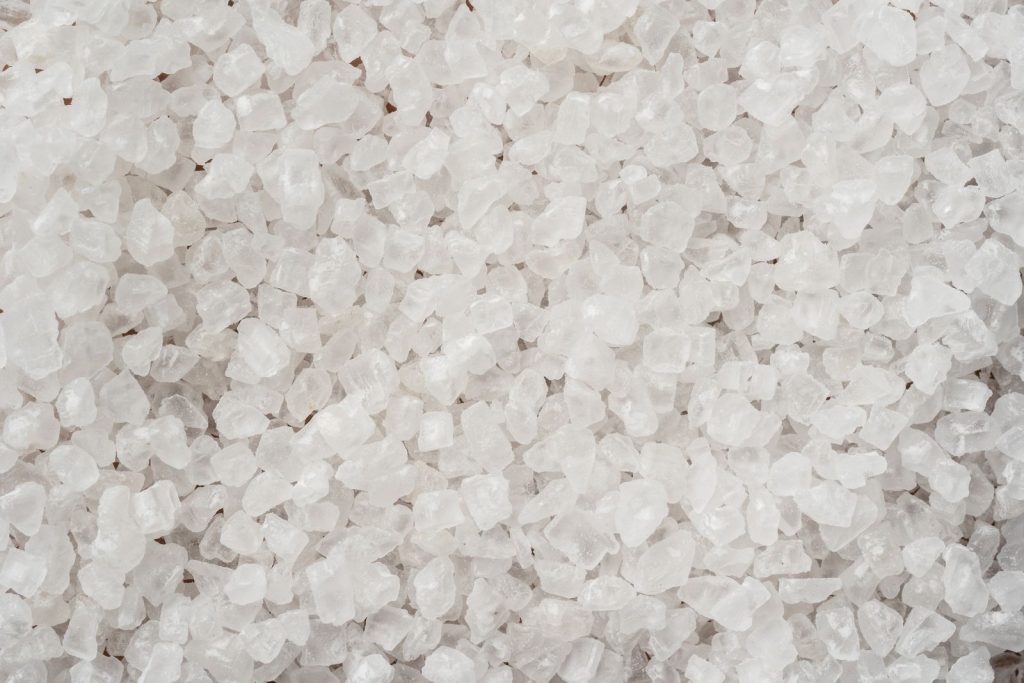
UNL adds that some demand-initiated units have two softening tanks, so one can soften while the other recharges, which avoids periods with hard water. For most homes, the choice between types matters less than correct sizing and regular salt top-ups; a softener that runs out of salt or regenerates too rarely simply lets hard water through. Use the salt the manufacturer specifies: UNL notes that impurities in salt can reduce the effectiveness of regeneration and plug valves, and that rock salt is only an option if the manufacturer suggests it and its impurities average less than 1 percent.
Before you buy
Buyer’s checklist
- Get an independent hardness figure (utility report or certified lab), not only a seller’s test.
- Size the unit to your hardness and household water use.
- Ask how regeneration is controlled; demand-based regeneration avoids wasting salt and water.
- Plan a hard-water bypass for the kitchen tap and outdoor faucets.
- UNL notes that NSF and the Water Quality Association test and certify products; certification can help guide selection.
- Check local rules on softener discharge and, with a septic system, ask about the extra load.
- Compare several quotes, including installation, salt and maintenance.
Watch out: be skeptical of in-home “water tests” that end in a sales pitch, and of devices claiming to prevent scale without removing hardness. Ask for independent test data and certifications before paying.
Frequently asked questions
Is softened water safe to drink?
It contains added sodium; UNL advises people on sodium-restricted diets to account for it and consult their physician. Many homes keep an unsoftened cold line to the kitchen tap.
Does a softener remove contaminants?
No. UNL lists bacteria, lead, nitrate, pesticides and many other compounds among the things softening does not remove.
How much water does a softener use?
UNL puts regeneration at about 50 gallons per cycle, roughly one load of laundry in an older washer. How often it regenerates depends on hardness, water use and the unit.
Can I just descale instead?
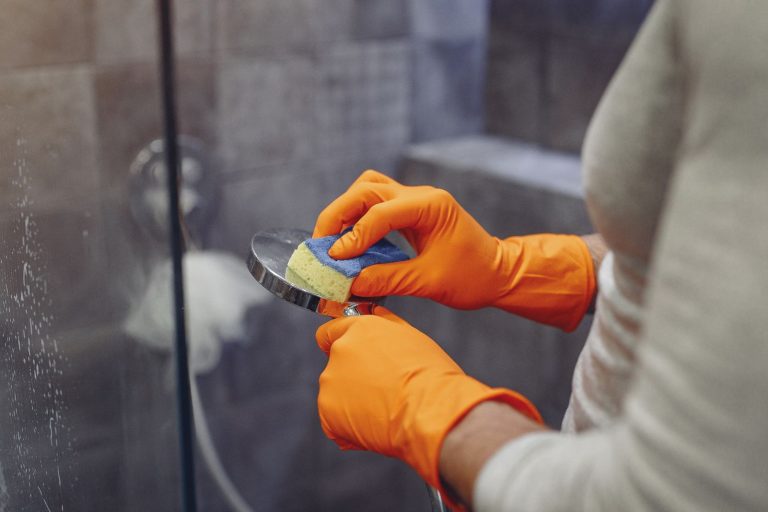
With moderately hard water, usually yes: vinegar soaks for shower heads and faucets and periodic water heater maintenance handle most scale.
Sources
- University of Nebraska–Lincoln Extension. G1491 Drinking Water Treatment: Water Softening (Ion Exchange).
- U.S. Geological Survey. Hardness of Water.
- U.S. EPA. Consumer Confidence Report: information for consumers.
Next step