Quick answer
Mold on a bathroom ceiling comes back because the moisture that feeds it is still there: shower steam rises, condenses on the cool ceiling and stays wet long enough for mold to grow. Clean small patches with detergent and water and let them dry completely, then fix the cause: a fan that vents outdoors, is strong enough and runs during the shower and for about an hour after. Painting over mold without fixing the moisture only hides it for a while.
Why the ceiling is where mold starts
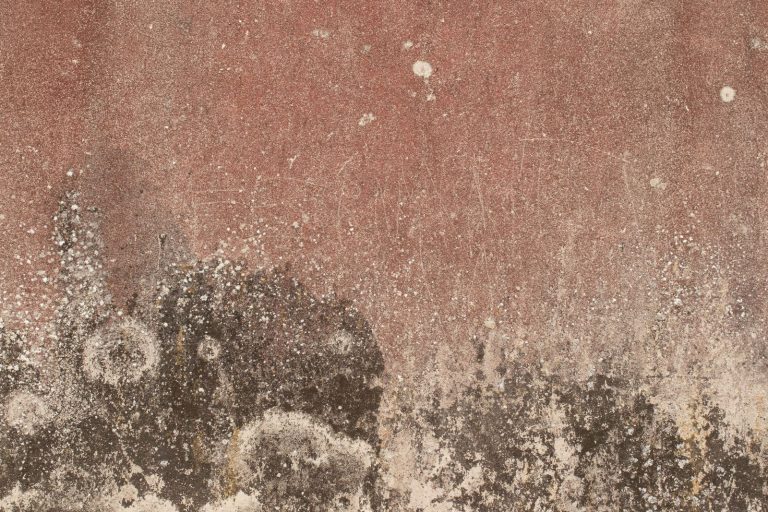
Mold needs moisture, and a bathroom ceiling gets plenty of it. Warm, humid air from a shower rises and collects at the top of the room. When that air touches a surface that is colder than its dew point, water condenses on it. The EPA explains that condensation forms when warm, humid air contacts a cold surface, and that it is often a sign of high humidity.
Bathroom ceilings are often colder than the walls. If the room sits below an attic, any gap or thin patch of insulation makes that section of ceiling cold in winter. The EPA lists roof materials and ceilings affected by roof leaks or insufficient insulation among the places where mold grows. Corners where the ceiling meets exterior walls are usually the first to show spots.
Once a surface stays damp day after day, mold can establish itself. Cleaning removes what you can see, but if the ceiling keeps getting wet after every shower, the mold returns in weeks.
Find the cause: a quick diagnosis
Where and when the mold appears tells you a lot about why. Use this table as a starting point.
| What you see | Likely cause | What to check |
|---|---|---|
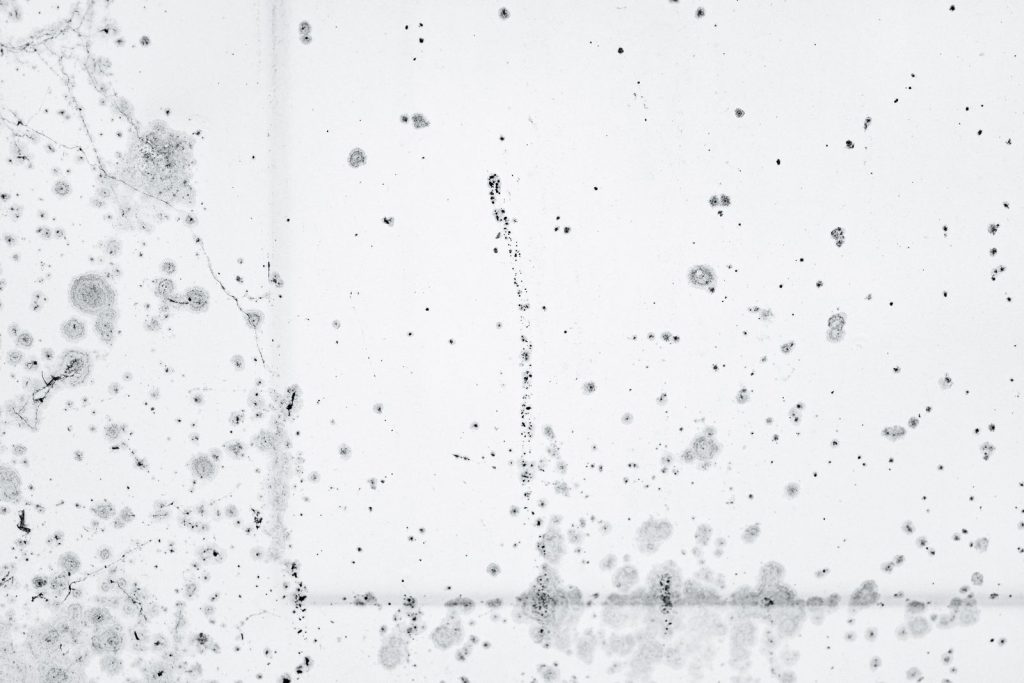
| Spots spread over the ceiling above the shower | Too much steam for the ventilation | Fan strength, how long it runs, whether it vents outdoors |
| Mold concentrated in corners and along exterior walls | Cold spots from missing or thin insulation | Attic insulation over the bathroom |
| A round stain, bubbling paint or sagging drywall | A leak from the roof or plumbing above | Roof, upstairs bathroom, pipes; repair the leak first |
| Mold around the fan grille | Moist air lingering or condensing in the duct | Duct insulation, duct route, fan running long enough |
| Mold returns within weeks after cleaning | The moisture source was not fixed | All of the above |
Watch out: a stain that grows, drips or makes the drywall soft points to a leak, not steam. The EPA says to fix plumbing leaks and other water problems as soon as possible and to dry wet materials within 24–48 hours. Cleaning the surface will not help while water keeps coming from above.
Check your bathroom exhaust fan
The fan is the most common weak link. The Building America Solution Center, run by Pacific Northwest National Laboratory for the U.S. Department of Energy, recommends an exhaust fan in every bathroom and says that operable windows should not be relied on for consistent bathroom ventilation. Check these points:
Bathroom fan checklist
- It vents outdoors. The fan should be ducted outside, not into the attic, crawlspace, garage, space between floors or wall cavities. Moist air dumped into an attic can cause mold and wood damage there.
- It is strong enough. To meet ASHRAE 62.2 and the International Residential Code, a bath fan should exhaust at least 50 cfm when run intermittently, or at least 20 cfm when run continuously.
- It runs long enough. The Building America Solution Center recommends running the fan for one hour after a shower, ideally with a timer switch so it turns off by itself.
- It actually moves air. Dust-clogged grilles, a stuck backdraft damper or a crushed duct can leave a noisy fan that barely pulls air.
- The duct is short, sealed and insulated. A direct route with few bends, sealed seams and insulation in cold attics reduces condensation inside the duct.
You can see where the duct goes by looking in the attic with a flashlight. The Building America Solution Center has a do-it-yourself guide for exactly this check and suggests wearing an N95 mask and coveralls in the attic. If you are replacing the fan, the same source notes that ENERGY STAR recommends choosing a fan rated at least 70 cfm to reliably deliver 50 cfm in practice, because ducts reduce real airflow.
Technical note: cfm means cubic feet per minute, the volume of air the fan moves. The rating on the box is measured under test conditions; a long or kinked duct lowers the real airflow. That is why the recommended purchase rating is higher than the airflow you actually need.
How to clean mold from a bathroom ceiling
The EPA says that in most cases you can clean a moldy area smaller than about 10 square feet (roughly 3 ft by 3 ft) yourself. For a painted ceiling, follow its guidance:
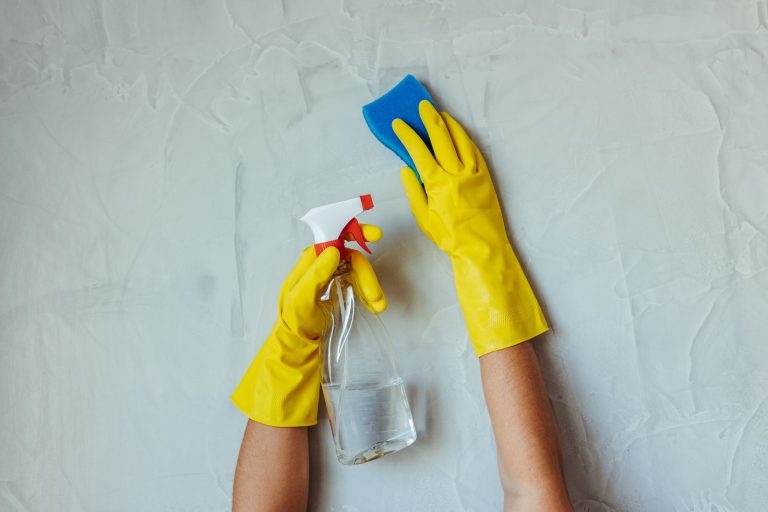
- Protect yourself. Wear gloves, goggles without ventilation holes and an N-95 respirator to avoid breathing spores. Working overhead drops debris toward your face, so eye protection matters.
- Ventilate. Run the fan and open the door or window while you work.
- Scrub with detergent and water. The EPA’s guidance for hard surfaces is to scrub mold off with detergent and water.
- Dry completely. Wipe away moisture and leave the fan running until the ceiling is dry.
- Check what is left. Staining can remain after the mold is removed. Porous materials, such as ceiling tiles, may need to be replaced if they are moldy.
What about bleach? The EPA says using a biocide such as chlorine bleach is not recommended as a routine practice during mold cleanup. If you do use one, ventilate well, and never mix bleach with cleaners that contain ammonia, because toxic fumes can form. The EPA also notes that dead mold can still cause allergic reactions, so the goal is to remove it, not just kill it.
Before you repaint
The EPA is direct about this: do not paint or caulk moldy surfaces. Clean the mold and dry the surface first; paint applied over mold is likely to peel. Paint is the last step, after the fan has been fixed and the ceiling has stayed dry through a few weeks of normal showers.
A good test before repainting: after each shower, look at the ceiling 30 minutes and 60 minutes later. If it is still beaded with water or feels damp, the ventilation is not yet doing its job. Whatever paint you choose, it cannot keep a ceiling dry if steam keeps condensing on it.
Worked example
Assumed situation: a bathroom with a fan on a regular wall switch, turned off when the person leaves the room right after a 10-minute shower. Mold keeps returning above the shower.
- Current fan time per shower: about 10 minutes.
- Recommended: during the shower plus about 60 minutes after, so roughly 70 minutes.
- The fan runs about one-seventh of the recommended time. A timer switch set to 60 minutes fixes this without anyone having to remember.
Illustrative example with assumed values. The one-hour figure comes from the Building America Solution Center.
When to call a professional
- The moldy area is larger than about 10 square feet, or there has been significant water damage (EPA).
- The ceiling is stained, soft or sagging, which suggests a leak or hidden mold above.
- The fan vents into the attic and you see mold on the roof deck or rafters.
- You rent: the EPA advises renters to report moisture problems to the building owner or manager promptly.
If you are concerned about mold and your health, especially with asthma, allergies or a weakened immune system, see the CDC’s information on mold and talk to your doctor. This guide does not give medical advice.
Frequently asked questions
Why does mold keep coming back on my bathroom ceiling after I clean it?
Because cleaning removes the mold but not the moisture. If the ceiling gets wet after every shower and stays damp, mold regrows. Fix the ventilation, then clean.
Is opening the window enough instead of a fan?
Usually not. The Building America Solution Center says operable windows should not be relied on for consistent bathroom ventilation. A window helps, but people close it in cold weather, when condensation is worst.
Should I use bleach on the ceiling?
The EPA does not recommend biocides such as bleach as a routine part of mold cleanup; detergent and water on hard surfaces is its standard advice. Never mix bleach with ammonia-based cleaners.
How long should the bathroom fan run after a shower?
The Building America Solution Center recommends about one hour after a shower for effective humidity control. A timer switch makes that automatic.
Sources
- U.S. EPA. A Brief Guide to Mold, Moisture and Your Home: cleanup with detergent and water, protective equipment, 10 square feet, biocides, painting over mold.
- U.S. EPA. Mold Course, Chapter 2: humidity and condensation.
- Building America Solution Center (U.S. DOE / PNNL). Bathroom Exhaust Fans: venting outdoors, 50/20 cfm, one hour after showering, ENERGY STAR sizing.
- Building America Solution Center. Look at Exhaust Fans for Venting to Outside.
- CDC. About Mold.
Next step
Keep going
Condensation
Condensation on the inside of windows
The same physics, on glass: dew point, humidity and cold surfaces.